
The smartphone industry witnessed a significant shift when Google decided to move beyond simply creating Android software and entered the hardware manufacturing space. Before the Pixel brand emerged, Google experimented with the Nexus program, collaborating with established manufacturers between 2010 and 2015. Companies like HTC, Samsung, LG, Huawei, and Motorola partnered with Google to produce devices that demonstrated Android’s capabilities without heavy manufacturer customizations. These Nexus devices served primarily as developer tools and reference devices, showing what Android could do in its purest form.
However, the Nexus approach had inherent limitations. Google didn’t control the entire production process, which meant compromises in design, component selection, and feature implementation. The vision for what a Google phone could be was always constrained by the collaborative nature of these partnerships. Recognizing these limitations, Google made the strategic decision to develop its own smartphone line with complete vertical integration, much like Apple had done successfully with the iPhone.
The Pixel brand launched in late 2016, representing Google’s full commitment to hardware. The name “Pixel” wasn’t new to Google—it had been used for the company’s premium Chromebook Pixel laptops, signaling that these phones would be positioned as premium, flagship devices rather than budget reference phones. This rebranding marked a psychological shift as much as a practical one: Google was now competing directly with Samsung, Apple, and other established smartphone manufacturers on equal footing.
Physical Characteristics: Dimensions, Aesthetics, and Build Quality – Long Ashton Gate
Google has released Pixel phones in multiple size configurations to serve different market segments and user preferences. Screen dimensions have ranged from more compact models that fit comfortably in smaller hands and pockets to larger variants designed for users who prioritize screen space for gaming, video watching, and multitasking. The physical footprint of each device reflects careful consideration of ergonomics, with curves, edges, and button placements designed for comfortable daily use.
Color options for Pixel devices have demonstrated more creativity than many competitors, moving beyond standard industry colors. Google has introduced unique color names and combinations that give Pixel phones personality. Some models have featured two-tone designs with contrasting accent colors, while others have embraced bold single colors or subtle pastels. Special edition colors occasionally appear for specific releases, creating excitement among fans and collectors who appreciate distinctive aesthetics.
The construction materials vary depending on the model tier and intended market position. Premium Pixel phones have utilized high-grade aluminum alloy frames that provide structural rigidity while keeping weight manageable. Glass panels—both front and rear—use strengthened formulations from manufacturers like Corning, offering scratch resistance and enabling wireless charging functionality. The glass rear panels, while beautiful and functional, are susceptible to cracking upon impact, which can necessitate Google Pixel back glass repair when accidents occur. Budget-friendly Pixel variants have sometimes employed durable polycarbonate materials that resist damage better than glass while sacrificing some premium feel. Texture treatments, matte finishes, and glossy surfaces have all appeared across different generations, each offering distinct tactile and visual experiences. Our Google Pixel Repair Techs Bedminster have garnered attention from tech enthusiasts and consumers alike. The local market has responded positively to the innovative designs and functionalities that these devices offer. As users in Bedminster explore their options, they continue to appreciate the seamless integration of software and hardware that Google has become known for.
Display Quality and Screen Maintenance – Long Ashton Gate
Display panels on Google Pixel smartphones utilize advanced technologies that deliver exceptional visual experiences. OLED and AMOLED screen technologies dominate the Pixel lineup, providing advantages like individual pixel illumination that creates perfect blacks, vibrant color reproduction, and excellent contrast ratios. These display types consume less power when showing dark content, contributing to battery efficiency while delivering visually stunning images.
Screen responsiveness varies across models, with some featuring adaptive refresh rate technology that dynamically adjusts based on content. When viewing static images or reading text, refresh rates can decrease to conserve battery power. During scrolling, gaming, or video playback, refresh rates increase to provide smooth, fluid motion. This intelligent adjustment balances performance with power consumption. Peak brightness levels have improved across generations, ensuring visibility in challenging lighting conditions including direct sunlight.
The display represents a significant investment in any smartphone, making protection and maintenance important considerations. Tempered glass screen protectors add a sacrificial layer that can absorb impacts, while film protectors offer thinner protection against scratches. Despite precautions, accidents happen—drops onto hard surfaces, impacts against sharp objects, or pressure damage can crack or shatter screens. When screen damage occurs, functionality may be compromised, touch sensitivity can become unreliable, and continued use risks injury from sharp glass edges. Professional Google Pixel screen repair services in Bristol, Keynsham, Long Ashton Gate & Brislington restore full functionality and appearance, with technicians replacing damaged display assemblies while preserving other components. Repair options include manufacturer-authorized service centers, reputable third-party repair shops, and mail-in repair programs, each offering different turnaround times and pricing structures.
Power Management and Battery Health
Battery technology forms the foundation of smartphone usability, determining how long devices can operate between charges. Google has equipped Pixel phones with lithium-ion or lithium-polymer batteries sized appropriately for each model’s power requirements. Battery capacity specifications indicate the total charge available, though real-world usage time depends on numerous factors including screen brightness, network connectivity, application usage, and background processes.
Intelligent power management features extend battery life through software optimization. Adaptive Battery technology learns which applications users access frequently and which sit unused, limiting background activity for rarely used apps while ensuring important apps remain responsive. Battery Saver modes reduce performance and limit background data when charge levels become critical, extending usable time until charging becomes possible. Extreme Battery Saver modes can stretch remaining battery power for many hours by severely limiting functionality to essential features only.
Charging technology has advanced significantly across Pixel generations. Fast charging capabilities replenish batteries rapidly, with some models achieving substantial charge percentages within 30 minutes of connection. Wireless charging offers cable-free convenience, though typically at slower speeds than wired charging. Reverse wireless charging transforms the phone into a power source for accessories like earbuds or smartwatches.
Battery longevity depends heavily on charging habits and usage patterns. A particularly harmful practice involves leaving phones plugged in while sleeping at night. Extended periods at maximum charge degrade battery chemistry, reducing capacity over time. Furthermore, continuous charging generates heat, which accelerates chemical degradation and can cause the battery to swell. A swollen battery pushes against internal components, potentially damaging screens, back covers, and other parts while creating serious safety risks including fire hazards. When batteries no longer hold adequate charge, exhibit rapid discharge, or show physical swelling, Google Pixel battery replacement Long Ashton Gate becomes necessary. Professional battery replacement services safely remove degraded batteries and install new ones, restoring full battery performance and eliminating safety concerns.
Long Ashton Gate – Charging Port Issues and Solutions
Charging ports endure constant mechanical stress, making them among the most failure-prone smartphone components. The USB-C ports found on modern Pixel phones connect and disconnect countless times throughout their service life. Each insertion and removal creates friction and mechanical wear on the delicate contact pins inside the port. These connectors must maintain precise alignment and firm contact to enable reliable charging and data transfer.
Worn out charging ports develop through accumulated mechanical damage. Symptoms include loose cable connections that disconnect easily, intermittent charging that starts and stops unpredictably, or slow charging despite using appropriate chargers. Port damage often occurs when cables are inserted forcefully, yanked out at angles, or when users attempt to charge while using phones in positions that stress the connection. The small contact pins inside ports can bend, break, or lose their spring tension, preventing proper electrical contact.
Beyond mechanical wear, contamination causes significant charging problems. Pockets and bags expose phones to lint, dust, sand, and various debris that accumulates inside charging ports. A dirty charging port may contain tightly packed lint that prevents cable insertion or blocks electrical contacts. Users often blame cables or batteries for charging failures without inspecting ports for contamination. Careful cleaning with appropriate tools—wooden or plastic picks rather than metal implements that might damage contacts—can sometimes restore functionality.
When cleaning proves insufficient or mechanical damage has occurred, professional intervention becomes necessary. Google Pixel charging port repair services Long Ashton Gate address both contamination and physical damage. Technicians can thoroughly clean ports using specialized tools and techniques, or replace damaged port assemblies entirely when mechanical failure has occurred. Port replacement involves careful disassembly, desoldering the damaged component, installing a new port assembly, and reassembling the device. Proper repair restores full charging and data transfer capabilities, extending device service life significantly.
Rear Panel / Back Cover Design and Damage Prevention
The back surface of Google Pixel phones serves multiple functions beyond aesthetics. This rear panel protects internal electronics from environmental hazards while providing mounting locations for cameras, sensors, and wireless charging coils. Design elements on the back surface contribute to brand identity and device recognition—distinctive camera arrangements, textures, colors, and finishes make Pixel phones visually distinctive.
Material selection for back panels balances aesthetics, functionality, and durability. Glass back covers enable wireless charging technology while providing premium appearance and smooth tactile feel. Manufacturers apply oleophobic coatings to resist fingerprints and facilitate cleaning. Despite protective treatments, glass remains vulnerable to impact damage from drops and collisions. Some Pixel variants have used composite materials or treated polycarbonate that offers superior impact resistance while sacrificing the premium feel and wireless charging capabilities of glass.
Back panel damage ranges from minor cosmetic issues to serious protective failures. Small cracks may seem purely aesthetic but can expand over time and allow moisture or dust infiltration. Severe shattering creates sharp edges that pose injury risks and exposes internal components directly to environmental hazards. Damaged back panels can interfere with wireless charging functionality when cracks disrupt the electromagnetic field paths.
Protective cases offer the most effective prevention, with raised edges that absorb impacts before they reach the phone body. However, many users prefer the slim profile and original design of uncased phones. When back glass damage occurs, Google Pixel back glass repair services can restore both protection and appearance. Repair procedures involve carefully removing shattered glass, cleaning adhesive residue, and installing replacement panels. Professional repair ensures proper sealing against moisture and dust while maintaining device aesthetics and functionality.
Photography Capabilities and Camera Technology
Photography represents the most celebrated feature of Google Pixel smartphones. From the very first model, Google emphasized that superior images come from intelligent software processing as much as hardware specifications. This computational photography approach uses algorithms, machine learning, and artificial intelligence to enhance images beyond what traditional camera optics alone can achieve. Pixel cameras have consistently punched above their weight class, delivering image quality that rivals or exceeds competitors with more impressive hardware specifications.
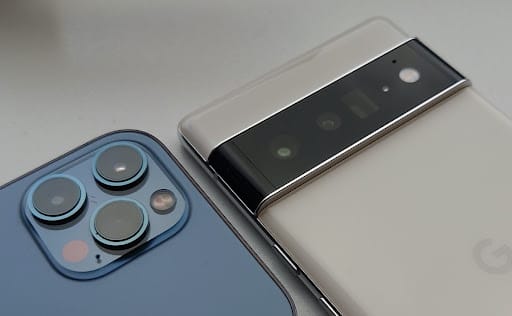 The camera software pipeline processes each photo through multiple stages. HDR+ technology captures and combines several exposures with different brightness levels, preserving detail in both shadows and highlights. Night Sight illuminates dark scenes through multi-frame processing and intelligent noise reduction. Portrait Mode creates professional depth-of-field effects with accurate subject separation. Super Res Zoom combines multiple slightly shifted frames to create detail that approaches optical zoom quality. Astrophotography modes can capture star fields and celestial objects that human eyes struggle to see.
Video capabilities have evolved alongside still photography features. Stabilization technologies smooth handheld footage, removing shake and jitter. HDR video processing balances exposure across challenging lighting conditions. Cinematic effects create shallow depth-of-field in video recordings. These features make Pixel phones capable video production tools for content creators, vloggers, and casual users alike.
Despite sophisticated software, camera hardware can fail or become damaged. Physical impacts can knock optical elements out of alignment, affecting focus accuracy and image sharpness. Electronic failures in image sensors or processing circuits cause functionality loss. Debris infiltration damages delicate internal components. When camera problems occur—weather manifesting as focus failures, image artifacts, complete non-function, or degraded quality—Google Pixel camera repair and replacement services restore full capability. Authorized service providers diagnose whether issues stem from hardware damage, software glitches, or connection problems, then implement appropriate solutions. Camera module replacement involves careful disassembly, disconnecting the damaged camera, installing a new module with properly calibrated optics, and reassembly with testing to ensure full functionality.
Protecting Camera Glass from Damage
Camera modules protrude slightly from Pixel phone rear surfaces to accommodate the optical assemblies required for quality imaging. This necessary design creates vulnerability—the thin protective glass covering camera lenses sits exposed to potential damage. Even careful users eventually experience scratches, scuffs, or cracks on camera glass through normal use, accidental drops, or abrasion against hard surfaces in pockets or bags.
Smashed back camera glass dramatically affects image quality despite being separate from the actual imaging optics beneath. Light entering the camera passes through the protective glass cover before reaching lens elements and sensors. Cracks, scratches, or chips scatter light unpredictably, creating lens flare, reducing contrast, softening focus, and introducing unwanted artifacts into images. Photographers may notice mysterious light streaks, haziness, or reduced sharpness that worsens in bright conditions. Severe damage allows dust and moisture to infiltrate the camera assembly, potentially causing more serious internal damage to precision optical components.
Prevention strategies include protective cases with raised camera bezels that create clearance between camera glass and surfaces when phones are laid down. Adhesive camera lens protectors add sacrificial layers that can be replaced if damaged, preserving the original glass beneath. These simple precautions dramatically reduce camera glass damage risk.
When camera glass becomes damaged, replacement restores optical clarity and image quality. Professional repair services can replace protective glass covers while preserving the precisely aligned optical assemblies underneath. The procedure requires careful work to avoid disturbing delicate lens elements or introducing contaminants into the sealed camera assembly. Some users attempt DIY repairs, but proper camera glass replacement demands specialized tools, clean environments, and technical expertise to achieve professional results without causing additional damage.
Unique Software Innovations
Beyond hardware excellence, Google Pixel phones distinguish themselves through exclusive software features that leverage Google’s leadership in artificial intelligence and machine learning. These features address real-world problems and inconveniences rather than simply showcasing technical capabilities. The integration between hardware and software creates experiences that would be difficult or impossible to replicate on other devices.
Call Screen functionality allows Google Assistant to answer incoming calls on the user’s behalf, engaging with callers through natural conversation while providing real-time transcription. Users see what callers are saying and can decide whether to answer, send quick replies, or mark calls as spam—all without picking up. This feature has proven invaluable for filtering robocalls and unknown callers while ensuring legitimate calls get through.
Hold for Me monitors phone queues when calling businesses or services, listening for hold music patterns. When a human representative comes on the line, the phone alerts the user, who can then join the conversation. This saves users from the tedium of waiting on hold while ensuring they don’t miss their turn. Direct My Call transcribes automated phone menus in real-time, allowing users to navigate options by tapping on-screen rather than listening through entire menus.
Now Playing continuously identifies music playing nearby, displaying song and artist information on the lock screen without recording audio or requiring internet connectivity. The feature uses an on-device database of song fingerprints, providing instant identification while maintaining privacy. Live Caption automatically generates real-time captions for any audio playing on the device—videos, podcasts, phone calls, or even conversations—improving accessibility and enabling content consumption in sound-sensitive environments.
Integration with Google’s Ecosystem
Google Pixel phones offer seamless integration with Google’s extensive service ecosystem. For users already invested in Gmail, Google Photos, Google Drive, Google Calendar, and other Google services, Pixel phones provide cohesive experiences with tight integration. Photos automatically back up to Google Photos with organizational features, smart search, and sharing capabilities. Calendar notifications sync across devices. Documents stored in Drive are immediately accessible. This ecosystem integration creates convenience that extends beyond the phone itself.
Google Assistant integration runs deeper on Pixel phones than on other Android devices. Voice commands activate features, answer questions, control smart home devices, set reminders, and manage tasks. The Assistant learns user preferences and patterns, providing proactive suggestions and automations. Quick phrases allow users to silence alarms or answer calls without saying “Hey Google,” streamlining common interactions.
Smart home control through Google Home integration makes Pixel phones central hubs for connected devices. Users can control lights, thermostats, security cameras, locks, and countless other smart devices directly from their phones. Routines automate multiple actions with single commands, creating seamless experiences across home automation systems.
Software Updates and Long-Term Support
Software update policies represent one of the most compelling reasons to choose Pixel phones over alternative Android devices. Google delivers Android updates to Pixel phones immediately upon release, often months before other manufacturers complete testing and customization for their devices. This ensures Pixel users always have access to the latest features, security improvements, and performance optimizations as soon as they become available.
The duration of software support has expanded dramatically with newer Pixel generations. Current models receive commitments for multiple years of major Android version updates plus extended security update support that can span seven years. This extended support transforms the value proposition—devices remain current and secure far longer than typical Android phones, which often receive limited updates for only two or three years. The absence of manufacturer interface customizations means updates arrive faster and with fewer complications.
Regular security patches address newly discovered vulnerabilities, protecting against evolving threats. Google’s monthly security update schedule ensures Pixel phones receive timely protection against exploits. Feature drops periodically add new capabilities between major Android versions, bringing improvements to camera functionality, system features, and app capabilities throughout the device’s supported lifetime.
Privacy and Security Features
Security architecture on Pixel phones includes multiple protection layers working together to safeguard user data and privacy. The Titan M security chip provides hardware-based security processing independent of the main processor. This dedicated security module protects encryption keys, payment credentials, and other sensitive data from potential software exploits. The chip also verifies boot integrity, ensuring the operating system hasn’t been tampered with.
Regular security updates patch vulnerabilities as they’re discovered, keeping Pixel phones protected against emerging threats. Google’s security research teams actively search for potential exploits and develop fixes before they can be widely exploited. This proactive approach to security maintenance provides peace of mind for users concerned about data protection.
Privacy controls give users granular control over data sharing and app permissions. Privacy Dashboard shows which apps have accessed sensitive permissions like location, camera, and microphone, along with timestamps of access. Users can revoke permissions or set them to one-time access that expires after single use. Indicator lights alert users when cameras or microphones are active, preventing surreptitious recording. Privacy settings allow users to limit ad tracking, control location sharing precision, and manage which apps can access sensitive data.
Performance and Processing Power
Processing capabilities determine how smoothly phones handle demanding tasks like gaming, video editing, augmented reality applications, and multitasking. Google has evolved its approach to processors across Pixel generations, initially using Qualcomm Snapdragon chips before developing custom Tensor processors designed specifically for Pixel phones. This vertical integration approach, similar to Apple’s strategy, allows optimization of hardware and software for specific use cases.
Tensor chips prioritize machine learning and AI capabilities over pure benchmark performance. The architecture includes dedicated cores for neural network processing, enabling features like real-time translation, advanced camera processing, and voice recognition to run efficiently without draining batteries. While pure CPU and GPU performance may not match the highest-end competitors in synthetic benchmarks, real-world performance for typical tasks remains smooth and responsive.
Memory configurations vary across Pixel models, with RAM amounts scaled to match intended use cases. Adequate RAM ensures smooth multitasking, prevents application reloading, and maintains system responsiveness. Storage options range from base capacities suitable for moderate users to expanded storage for users who capture extensive photos and videos or download large applications and media files.
Connectivity and Communication Features
Modern connectivity standards ensure Pixel phones remain compatible with current and emerging network technologies. Support for various 4G LTE bands provides broad compatibility across carriers and regions. Newer models incorporate 5G capabilities, enabling faster data speeds where 5G networks are available. Wi-Fi standards have progressed across generations, with current models supporting the latest Wi-Fi protocols for optimal wireless network performance.
Bluetooth connectivity enables pairing with wireless headphones, speakers, smartwatches, and countless other accessories. NFC technology facilitates contactless payments through Google Pay and enables quick pairing with compatible devices through simple tap-to-connect functionality. GPS and location services provide accurate positioning for navigation, location-based reminders, and geographic tagging of photos.
Dual SIM capabilities on certain models allow users to maintain two phone numbers simultaneously—useful for separating work and personal communications or for international travelers who want to use local SIM cards while maintaining their primary number. eSIM technology eliminates physical SIM cards entirely on some models, enabling carrier switching through software configuration rather than physical card swapping.
Audio and Speaker Quality
Audio capabilities encompass both sound output through speakers and sound capture through microphones. Pixel phones typically feature stereo speaker configurations that deliver balanced audio with surprising volume and clarity given the physical constraints of smartphone form factors. One speaker usually integrates with the earpiece, while another fires from the bottom edge, creating stereo separation for media playback.
Microphone arrays capture audio for calls, video recording, and voice commands. Multiple microphones enable noise cancellation, directional audio capture, and enhanced voice recognition. Beamforming technology focuses microphone sensitivity toward sound sources while suppressing background noise, improving call quality and voice command accuracy in noisy environments.
Headphone jack availability has varied across Pixel generations. Some models retained the traditional 3.5mm audio jack, while others embraced the wireless-only trend, requiring USB-C adapters for wired headphones or encouraging Bluetooth audio accessory adoption. The removal of headphone jacks has been controversial among users who prefer wired audio for its reliability, lack of charging requirements, and often superior sound quality.
Durability and Water Resistance
Environmental protection ratings indicate how well devices withstand dust and water exposure. Pixel phones have featured various IP ratings depending on model and generation. IP68 ratings, common on flagship models, indicate complete dust ingress protection and water resistance sufficient to survive submersion in fresh water for specific depths and durations. These ratings provide peace of mind for users who may encounter rain, spills, or accidental drops into water.
Structural durability depends on materials and construction techniques. Aluminum frames provide rigidity, while glass surfaces use strengthened formulations to resist scratching and cracking. However, no phone is indestructible—significant impacts can cause damage regardless of ratings. Protective cases and screen protectors add layers of defense that significantly improve survival rates during accidents.
Water resistance seals can degrade over time through normal wear, physical damage, or repeated exposure to water. Users should not rely on water resistance indefinitely and should avoid unnecessary water exposure. If water intrusion occurs, immediate action—powering off, removing SIM cards, allowing thorough drying—can minimize damage. Professional assessment may be necessary to check for corrosion or component damage after water exposure.
Conclusion
Google Pixel smartphones represent a distinctive approach in the crowded smartphone marketplace, emphasizing computational intelligence and software innovation over pure hardware specifications. From humble Nexus beginnings to sophisticated modern devices, the Pixel line has established itself through excellent photography, pure Android experiences, and innovative AI-powered features. Understanding the physical characteristics, display technology, battery management, charging port maintenance, back panel construction, camera capabilities, and unique software features helps users maximize their Pixel experience. While components may eventually require professional services—whether Google Pixel screen repair Long Ashton Gate, Google Pixel battery replacement, Google Pixel charging port repair Long Ashton Gate, Google Pixel back glass repair, or Google Pixel camera repair and replacement—the combination of long-term software support and repairable hardware design ensures these devices can provide value for many years. For users who align with Google’s vision of intelligent, software-defined smartphones, Pixel devices offer compelling experiences that distinguish them from countless alternatives. Read some of our 5 star reviews for Google Pixel Phone Repairs in Long Ashton Gate. If you are interested in the model history, head over to the Google Pixel Wiki